Sleep Disorders
in Service Members
and Veterans
Civilian medicine often misreads military-related sleep disorders, mislabeling treatable conditions as stress, insomnia, or symptoms of PTSD. Service members and veterans experience nine sleep disorders at rates significantly higher than the general population. We break down each one with the clinical accuracy they deserve.
Start here
Find your symptom
The fastest path to the right article is to start with what you’re actually experiencing. Pick the statement closest to your situation.
“I wake up Gasping, choking, or with my heart pounding.”
Sleep apnea in veterans →“I can’t fall asleep — my brain won’t stand down.”
Combat insomnia →“I nightmares from deployment that won’t stop.”
Nightmare disorder in PTSD →“I’m exhausted but I slept eight hours.”
Chronic Sleep Debt →“I’m a woman veteran and my sleep changed after service.”
Woman Veterans and Sleep →“I had a head injury and my sleep is different.”
TBI and Circadian Sleep →
These aren’t bad habits. They aren’t weakness. They aren’t what civilian sleep clinics most often see. What military service does to sleep is structurally different from what civilian life does to sleep, and the disorders below reflect that. If you arrived here looking for one thing and find yourself reading about something else, that’s not unusual — military sleep problems travel together. Apnea predicts nightmares. Hypervigilance predicts insomnia. The disorder you came in for may not be the only one you have.
The full picture
Nine disorders, four categories
Every condition below has a name in the medical literature, an evidence base, and a treatment pathway. Browse by category, or scan the full list.
Breathing-Related

Sleep Apnea in Veterans: Why Military Service Makes It Worse, and What to Do About It
43–76% of veterans with PTSD screen positive for OSA — but standard screening tools miss most of them. Three mechanisms, the CPAP adherence gap, and the VA disability pathway.
Insomnia and Arousal Disorders
Combat Insomnia: When the Brain Won’t Stand Down
57.2% of post-9/11 veterans screen positive for insomnia at VA enrollment; 93.3% with PTSD. Why combat insomnia is neurobiologically distinct from primary insomnia, and why treating PTSD alone leaves half of veterans still awake.
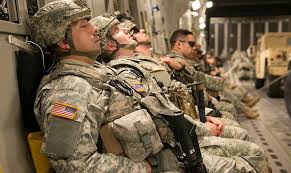
Hypervigilance and Sleep: How Combat Keeps the Brain on Alert
How PTSD rewires the locus coeruleus, amygdala, and HPA axis to prevent sleep — and why roughly 50% of veterans retain insomnia even after PTSD treatment succeeds.
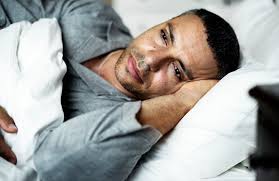
Chronic Sleep Debt in Military Service: Why Catching Up Doesn’t Work
Van Dongen 2003: 14 nights of 6-hour sleep produces deficits equivalent to 24-hour total sleep deprivation — and subjects couldn’t detect their own impairment. What this means for career military service.
Trauma-Linked Sleep Disorders
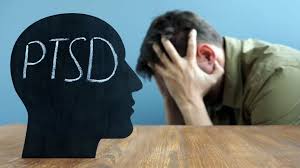
Nightmare Disorder in PTSD: Why Sleep Won’t Let the War End
50–72% of veterans with PTSD have recurrent nightmares; only 11–38% discuss them with a provider. Why waking-state therapy doesn’t fix the dream, and the IRT + prazosin evidence.
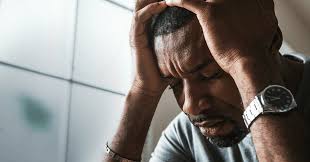
Moral Injury and Sleep: When Guilt, Not Fear, Is Keeping You Awake
Moral injury produces ruminative insomnia and guilt-themed nightmares mechanistically distinct from fear-based PTSD — what the neuroscience shows, why prazosin often fails, and which treatments actually address the root cause.
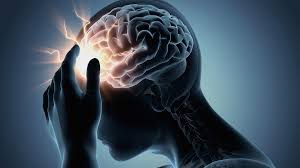
TBI, Circadian Disruption, and Sleep: Why Brain Injury Changes Your Clock
TBI disrupts sleep through four distinct pathways: SCN damage, orexin neuron loss, melatonin pathway disruption, and brainstem respiratory dysregulation. Why 36% of TBI insomniacs have a circadian timing disorder, not primary insomnia.
How Sleep Deprivation Compounds Combat Stress: The Cortisol-Adenosine-Norepinephrine Cascade
The HPA axis and locus coeruleus are bidirectionally coupled — sleep deprivation and combat stress activate both, preventing either from downregulating. Why REM sleep is the only mechanism that breaks the loop.
Population-Specific

Women Veterans and Sleep: Military Sexual Trauma, Hormones, and the Visibility Gap
MST affects 1 in 4 women veterans and is the primary driver of their sleep disorders — what Travis 2024 shows, why standard insomnia treatment fails, and how to get the right care.
You might also need
Sleep disorders don’t exist in isolation
Knowing the name of a disorder is the start. The other three pillars cover what causes it, what treats it, and what benefits flow from it.
Duty vs Biology
Why does military service produce these disorders in the first place? Eight ways operational duty collides with circadian biology.
What Works
Once you know your disorder, the next question is treatment. Seven evidence-graded interventions, with what each one doesn’t do.
VA Assistance
Is your sleep disorder service-connected? What benefits are you entitled to? The procedural pathway from claim to rating to appeal.
A note from the editors
Every disorder in this pillar has a name in the medical literature, an evidence base, and a treatment pathway. None of them are imaginary. None of them are character flaws. Most of them are produced or worsened by service the country asked you to perform — that’s not a political statement, it’s a clinical one, supported by the VA’s own research.
You Are Not Alone
Sleep disorders, PTSD, and the invisible wounds of service can feel isolating. If you or someone you know is in crisis or experiencing thoughts of self-harm, help is available right now. The Veterans Crisis Line provides free, confidential support 24 hours a day, 7 days a week to veterans, service members, and their families.
If you are in crisis or experiencing thoughts of self-harm, call the Veterans Crisis Line at